
In the vast and ever-shifting landscape of global brands, one name consistently resides at the summit: Apple.
It’s more than just a tech company; it’s a cultural phenomenon, a symbol of innovation, and a testament to the profound power of a meticulously crafted brand. But how did a computer company from a California garage ascend to such an iconic status?
And more importantly, what can aspiring brand creators, ambitious startups, and established business owners learn from their masterful blueprint?
The answer lies in a strategic and unwavering commitment to a core set of principles that go far beyond logos and taglines. Apple doesn’t just sell products; it sells an experience, an identity, and a promise. For anyone looking to build a brand that not only survives but thrives, deconstructing the Apple blueprint is an essential lesson in strategic planning and flawless execution.
The Apple Blueprint: More Than Just a Logo Apple’s brand dominance is not accidental. It’s the result of a deliberate and consistent strategy built on several key pillars:
- The Religion of Simplicity: From the unboxing of a new iPhone to the intuitive interface of its software, Apple has elevated simplicity to an art form. In a world of overwhelming complexity, Apple offers a sanctuary of clean lines, uncluttered design, and user-friendly functionality. This philosophy, championed by Steve Jobs, is about more than just aesthetics; it’s about respecting the consumer’s time and intelligence. It’s a powerful statement that cutting-edge technology doesn’t have to be complicated.
- Emotional Storytelling, Not Technical Specs: Apple’s marketing rarely focuses on gigabytes and processor speeds. Instead, it tells human stories. The iconic “Think Different” campaign celebrated rebels and visionaries, aligning the brand with creativity and genius. The “Shot on iPhone” campaign turns customers into artists, showcasing the emotional power of their technology. Apple understands that people make decisions based on emotion and then justify them with logic. By forging a deep emotional connection, they’ve cultivated a loyal following that feels like a community.
- The Walled Garden of Delights (The Ecosystem): The seamless integration of Apple’s hardware, software, and services is a masterstroke of brand loyalty. An iPhone works flawlessly with a MacBook, which syncs effortlessly with an Apple Watch. This interconnected ecosystem creates an experience so smooth and convenient that leaving it feels like a downgrade. This isn’t just a business model; it’s a powerful retention strategy that makes the brand an indispensable part of a user’s life.
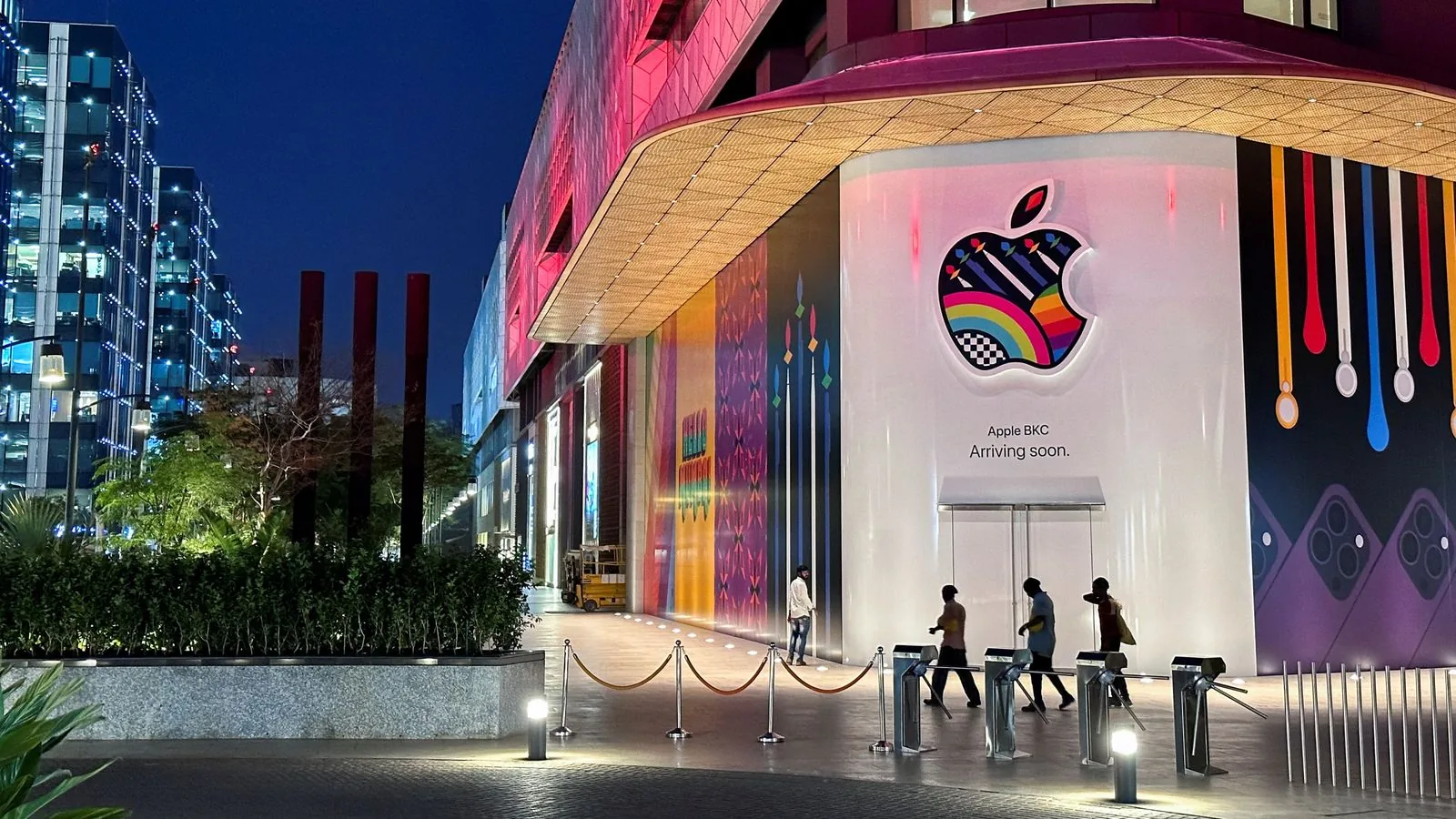
- The Retail Temple: The Apple Store Experience: Apple redefined retail by transforming its stores from mere points of sale into immersive brand experiences. With their minimalist design, knowledgeable (and non-commissioned) staff, and the famous Genius Bar, Apple Stores are educational and experiential hubs. They are physical manifestations of the brand’s values, allowing customers to touch, feel, and connect with the products and the company’s ethos in a tangible way.
Your Brand’s Playbook: Lessons from the Apple Tree So, how can you apply these principles to your own venture? While you may not have Apple’s billion-dollar budget, the underlying strategies are scalable and universally applicable.
- Start with Your “Why”: Before you design a logo or build a website, you need to define your purpose. What is the core belief that drives your business? Apple’s “why” is to challenge the status quo and empower individuals. Every product and marketing campaign flows from this central idea. For your brand, defining your “why” will provide a North Star for every decision you make, ensuring consistency and authenticity.
- Obsess Over the Entire User Experience: Branding is not just your marketing materials; it’s every single touchpoint a customer has with your business. From the first ad they see to the customer service they receive, the experience should be seamless and consistent. Map out the entire customer journey and identify opportunities to simplify, delight, and add value. A positive experience is one of the most powerful drivers of brand loyalty.
- Craft a Narrative, Not Just a Message: Don’t just tell people what you do; tell them why it matters. Weave a story around your brand that resonates with your target audience’s values and aspirations. Are you helping them be more creative, more productive, or more connected? Use your marketing to tell that story, and turn your customers into the heroes of that narrative.
- Build Your Ecosystem: Even if you only have one product or service, you can create an ecosystem of value around it. This could be through a blog with helpful content, a newsletter with exclusive tips, a thriving social media community, or partnerships with complementary businesses. The goal is to create a world around your brand that your customers want to be a part of.
The Strategic Imperative of Brand Building In today’s crowded marketplace, a strong brand is not a luxury; it’s a necessity. It’s your greatest differentiator and your most valuable asset. Apple’s enduring success is a powerful reminder that building a brand is not a short-term marketing tactic but a long-term strategic commitment.
For startups and business owners, this means being intentional from day one. It requires careful planning, a deep understanding of your target audience, and the discipline to execute consistently. The initial investment in strategic brand building will pay dividends in the form of customer loyalty, premium pricing power, and a sustainable competitive advantage.
Don’t just build a business; build a brand. And when you’re looking for a blueprint, you can always “Think Different.”



Join the conversation